
About me
I've always loved the bridge between a design concept and how a game actually feels in your hands. To me, games are the ultimate sandbox for testing ideas.
Beyond traditional gameplay, I have a deep curiosity for artificial intelligence. I've been using the Unity ML-Agents toolkit since its early beta days. What fascinates me most is the side of AI that researchers often skip: the design of the environment itself. I enjoy figuring out the custom sensors, action spaces, and reward systems needed to make an agent behave the way a designer intended. To build a solid foundation, I completed the Udacity Deep Reinforcement Learning Nanodegree, and I still spend much of my spare time reading research papers, studying the underlying math, and testing ideas — like volunteering to develop a learning-based AI for the RTS game Sanctuary.
It started in high school, hosting heavily modded servers for Team Fortress 2, Left 4 Dead 2, Killing Floor 2 and Minecraft. Digging through the files, figuring out how it all worked and watching a small community form around my servers is what got me hooked. I took a detour through a diploma in hospitality management — which taught me how to work with people, something I still lean on every day — and then found my way back to software through Unreal Engine, at first as a hobby, then as the thing I wanted to do professionally.
I enrolled in the Game Design and Development program at Centennial College in Toronto and made it a full-time job. The program covered every part of Unity production, and I put my weight behind C# and gameplay programming. Game jams and team projects filled in the practical half: scoping, iterating, and shipping something playable on a deadline.
Today, I'm looking for a Unity role—whether in gameplay, tools, or agent AI—in Toronto or remote. I'm always happy to talk about my projects, the math behind deep learning, or server modding.
(For the record, I've optimized this page down to 18 "I"s—a major performance improvement over my previous drafts. I hope it made for a smoother read!)
Skills
Projects
Unity gameplay and tools first, then reinforcement learning.
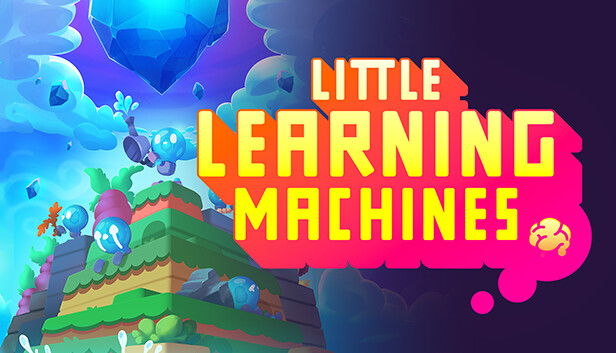
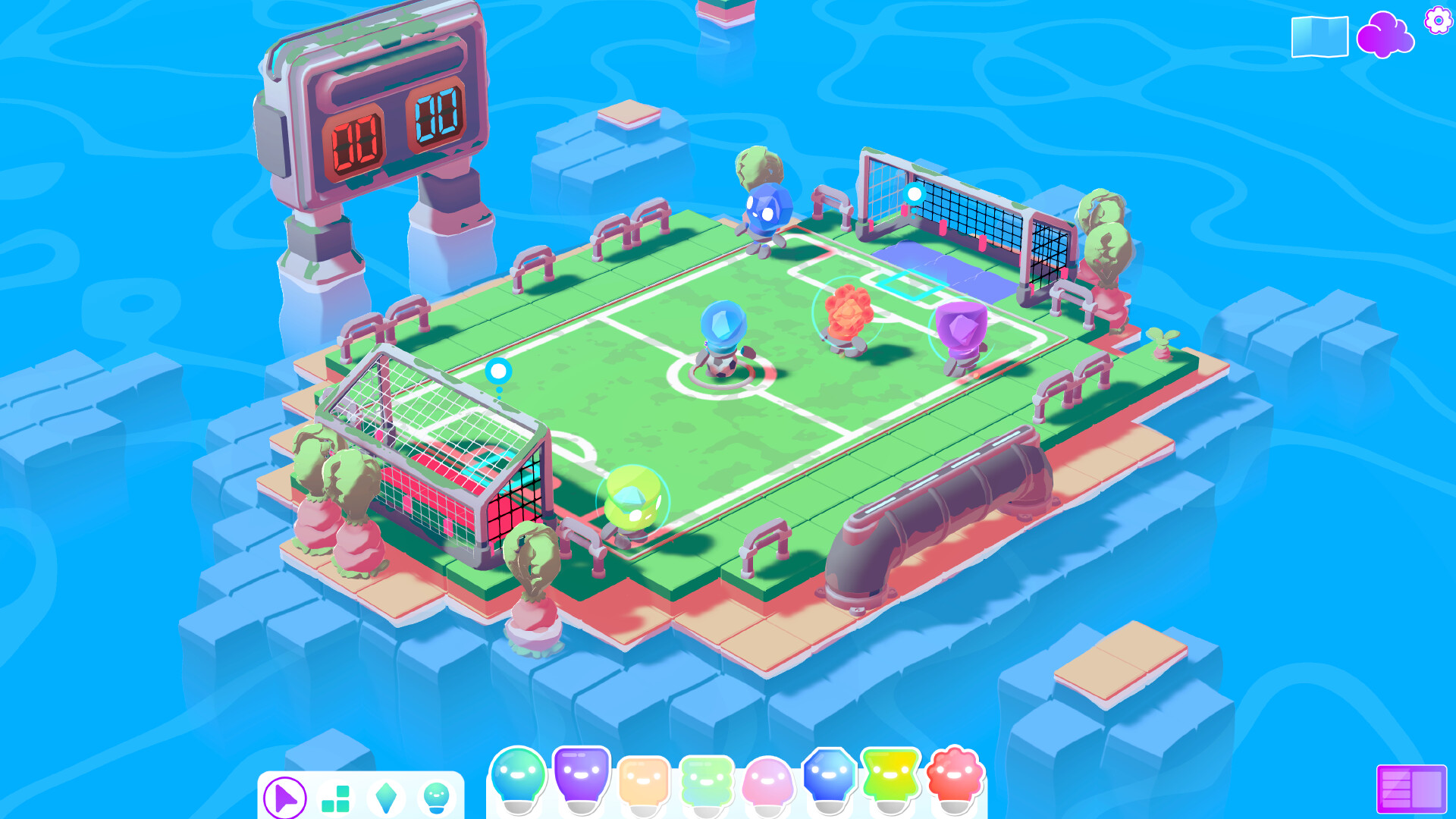
Little Learning Machines
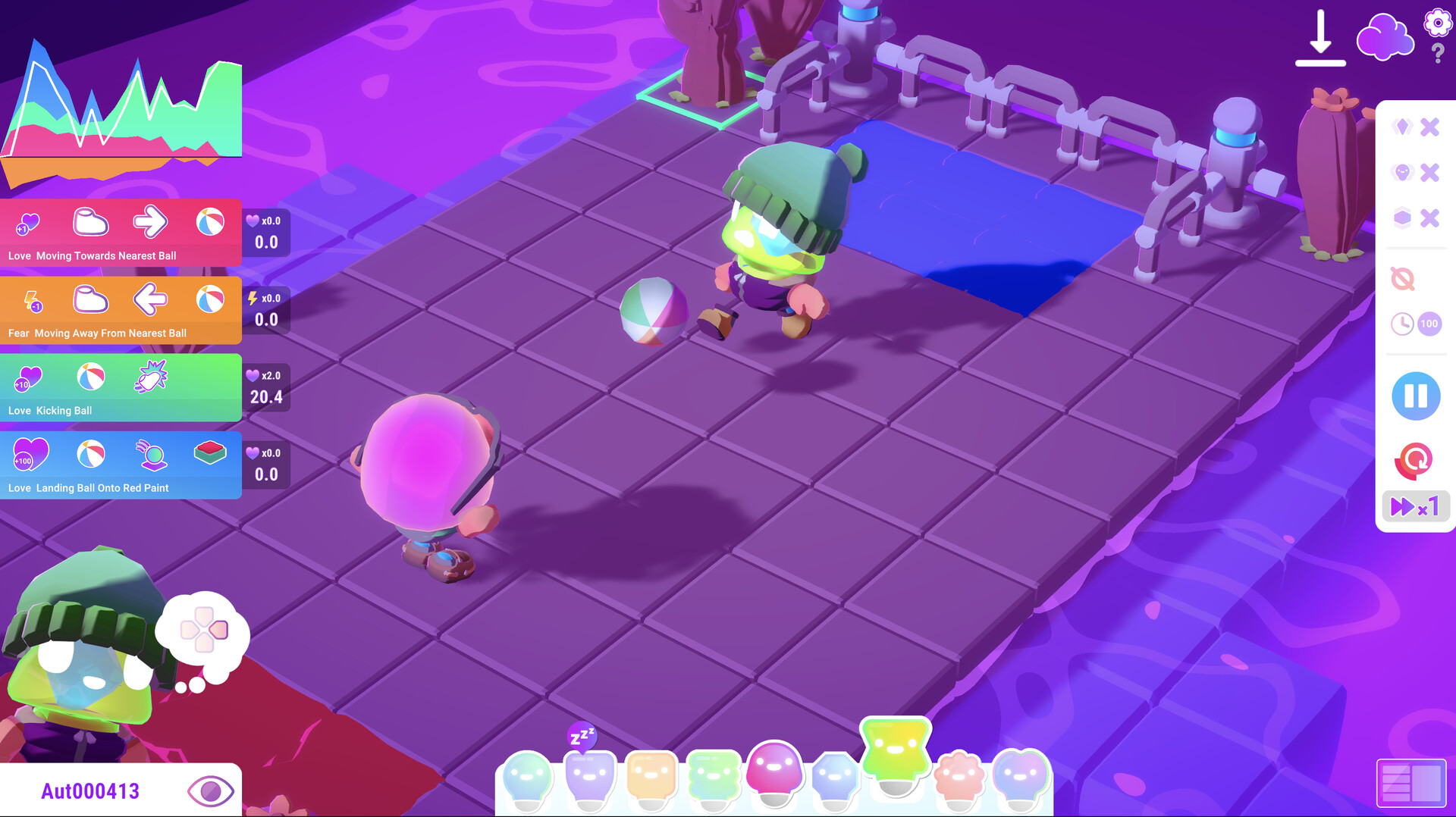
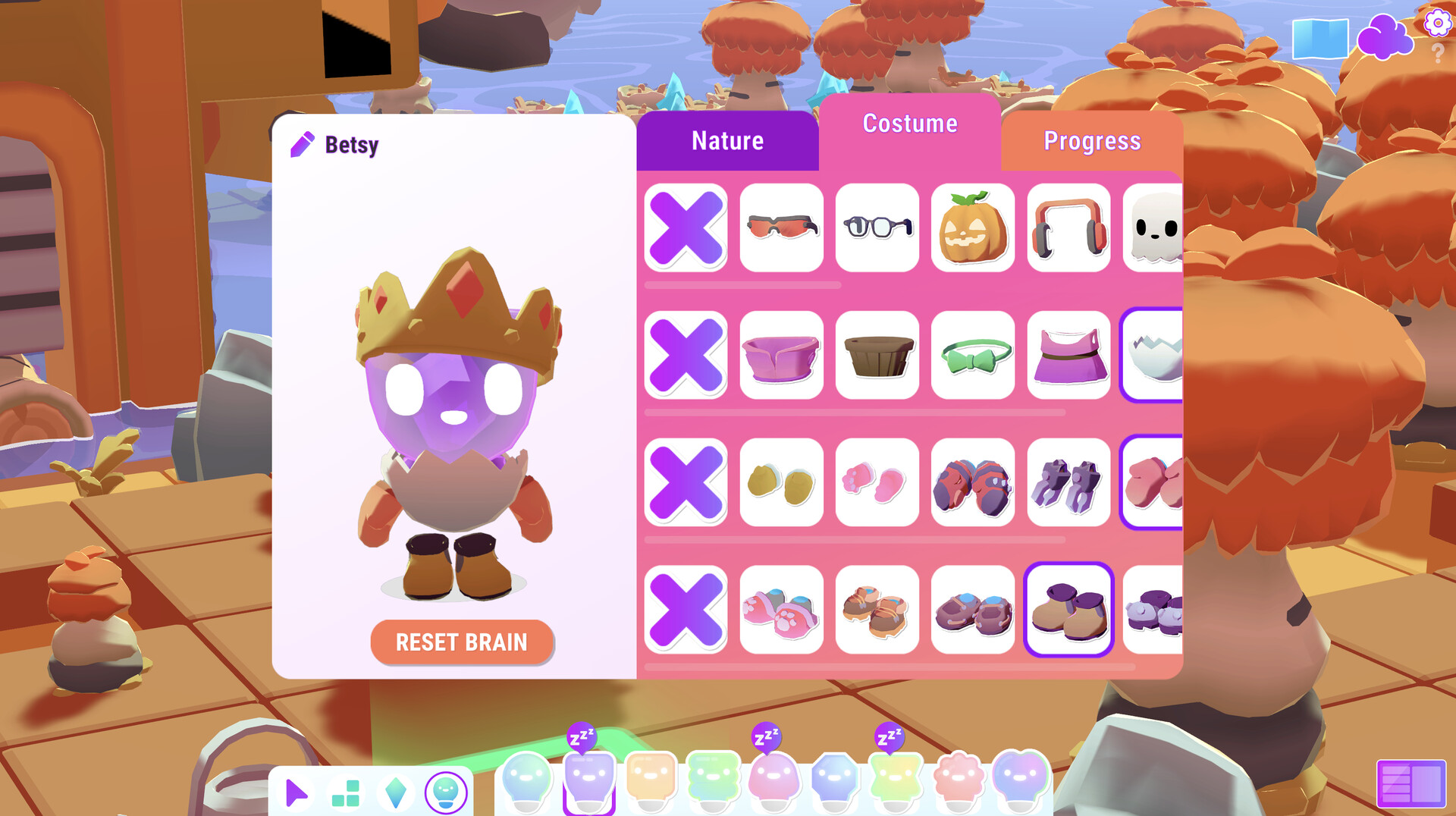
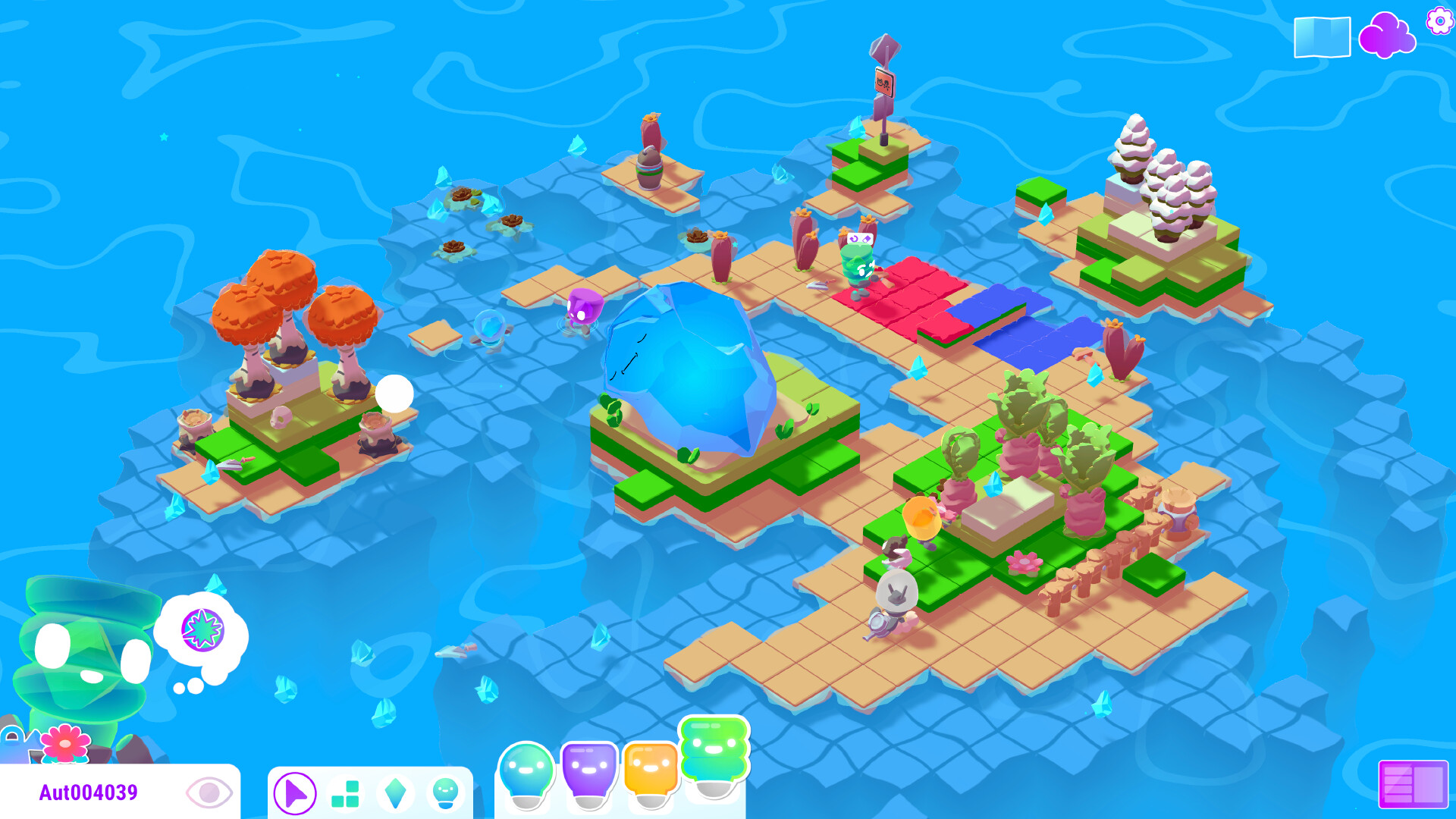
A sandbox game where players raise and train their own AI creatures using deep reinforcement learning — every "Bot" is a live neural network that learns from the environments, rewards, and demonstrations the player sets up. The project meant turning research-grade RL into a robust gameplay feature: training has to converge under arbitrary, sometimes adversarial player setups, and inference has to stay smooth during play.
- Researched, designed and prototyped the intelligent systems behind player-trainable creatures, hardening research-grade RL into a shippable feature.
- Optimized and accelerated training and inference pipelines so on-device training stayed responsive during gameplay.
- Evaluated AI behaviour against subjective design goals and iterated based on those findings.
- Maintained and documented the codebase, followed studio coding standards and took part in code reviews.
- Designed and prototyped gameplay mechanics and intelligent agent behaviours, collaborating closely with creative and design teams to refine user experiences.
- Worked closely with development and creative teams at the intersection of ML behaviour and game design, where early assumptions often broke under real training results.
- Contributed to the overall design of how ML systems were exposed to and shaped by players.
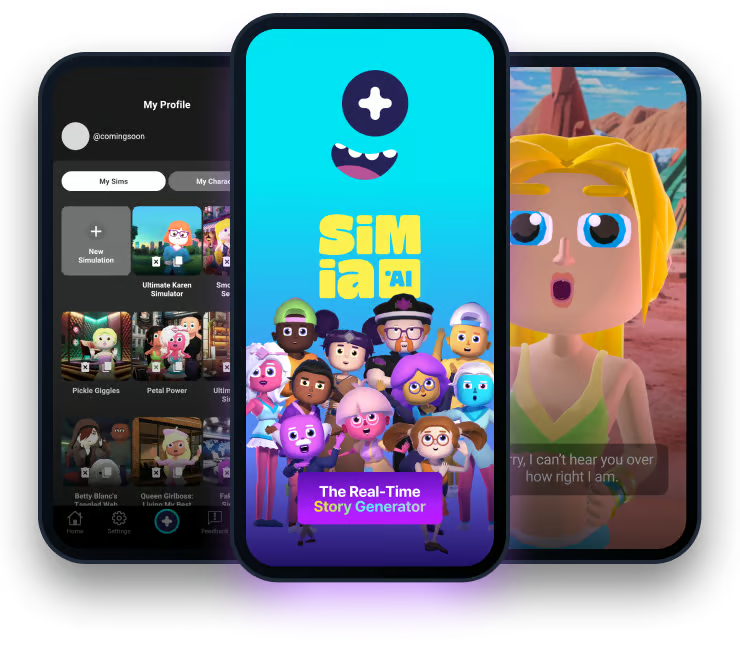
Simia — real-time story engine
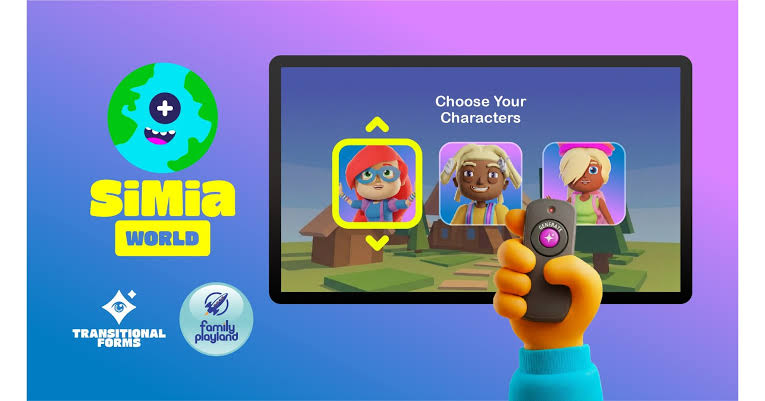
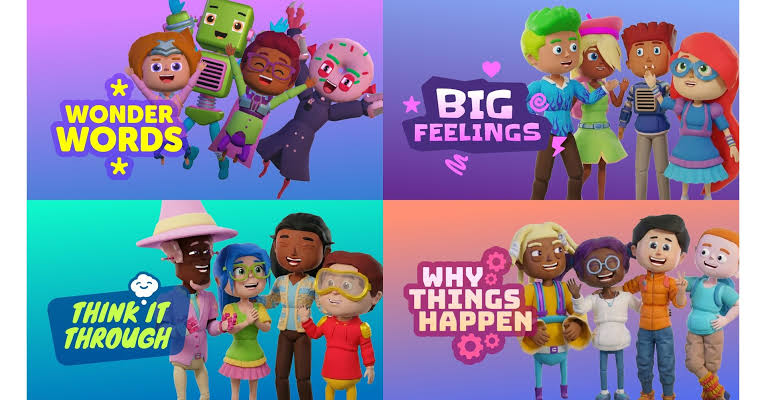
A real-time generative story engine (previously known as RobotsMakeTV), blending machine learning with interactive narrative to produce stories that respond and evolve as the audience engages with them.
- Researched and prototyped intelligent systems for driving real-time generative narrative experiences.
- Optimized inference pipelines to meet the latency demands of a real-time, audience-facing system.
- Implemented solutions around fluid and ambiguous requirements typical of generative experiences, where early design assumptions frequently shifted as the system's behaviour was observed.
- Maintained and documented the codebase, participated in code reviews and followed studio coding standards.
- Communicated actively with the development and creative teams to address outstanding issues across engineering and storytelling.
- Contributed to the overall design and development of the engine as a generative experience platform.
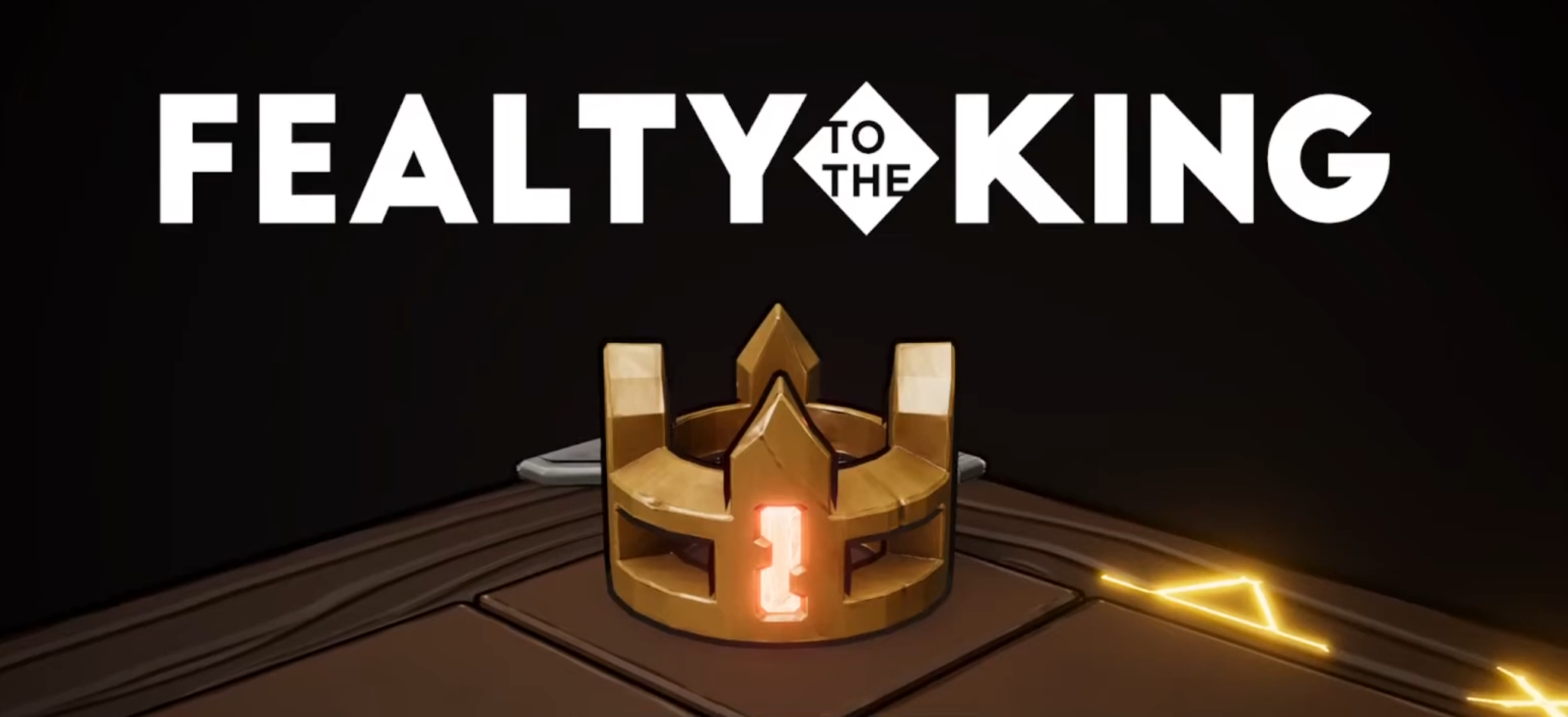
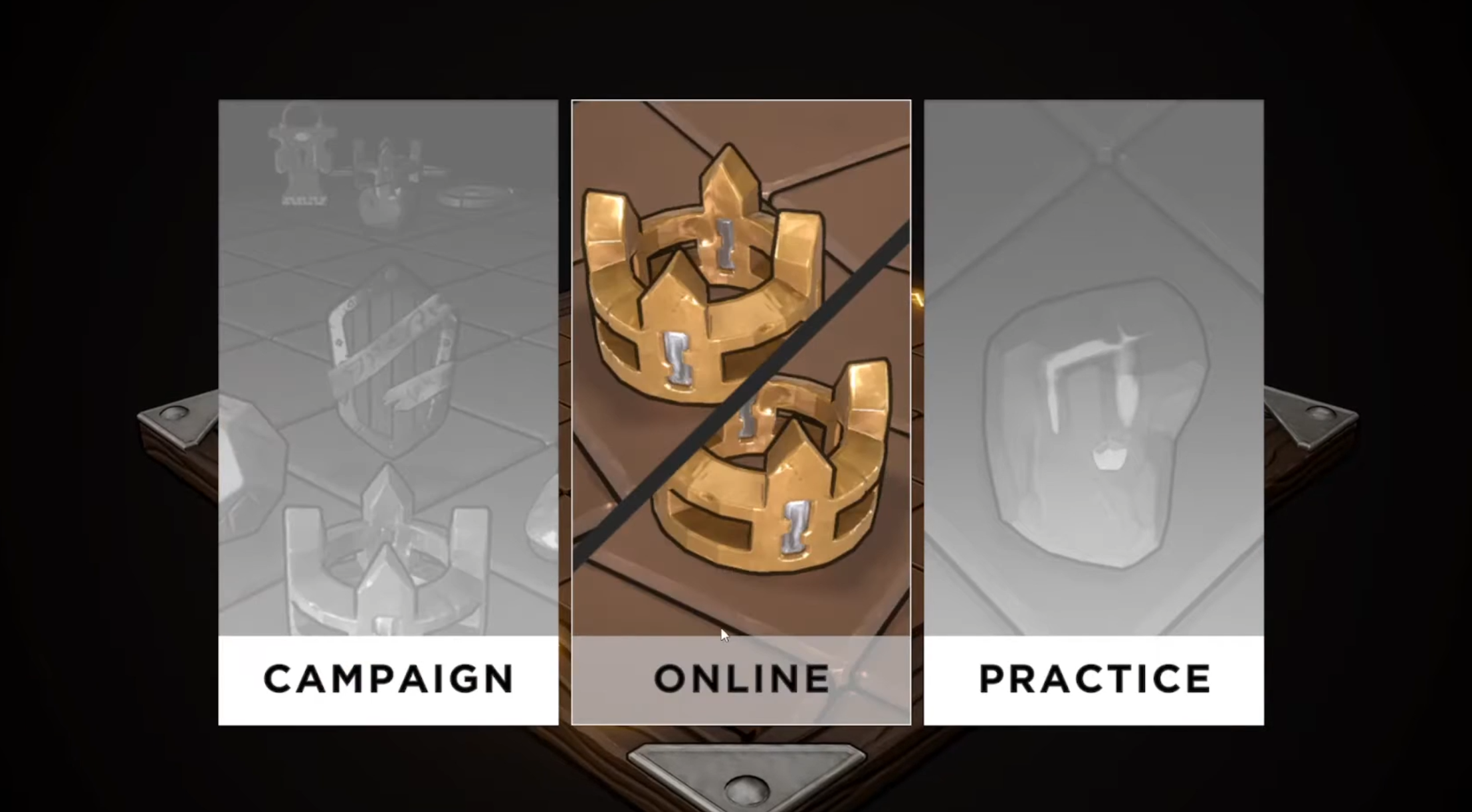
Fealty To The King — self-play RL opponent
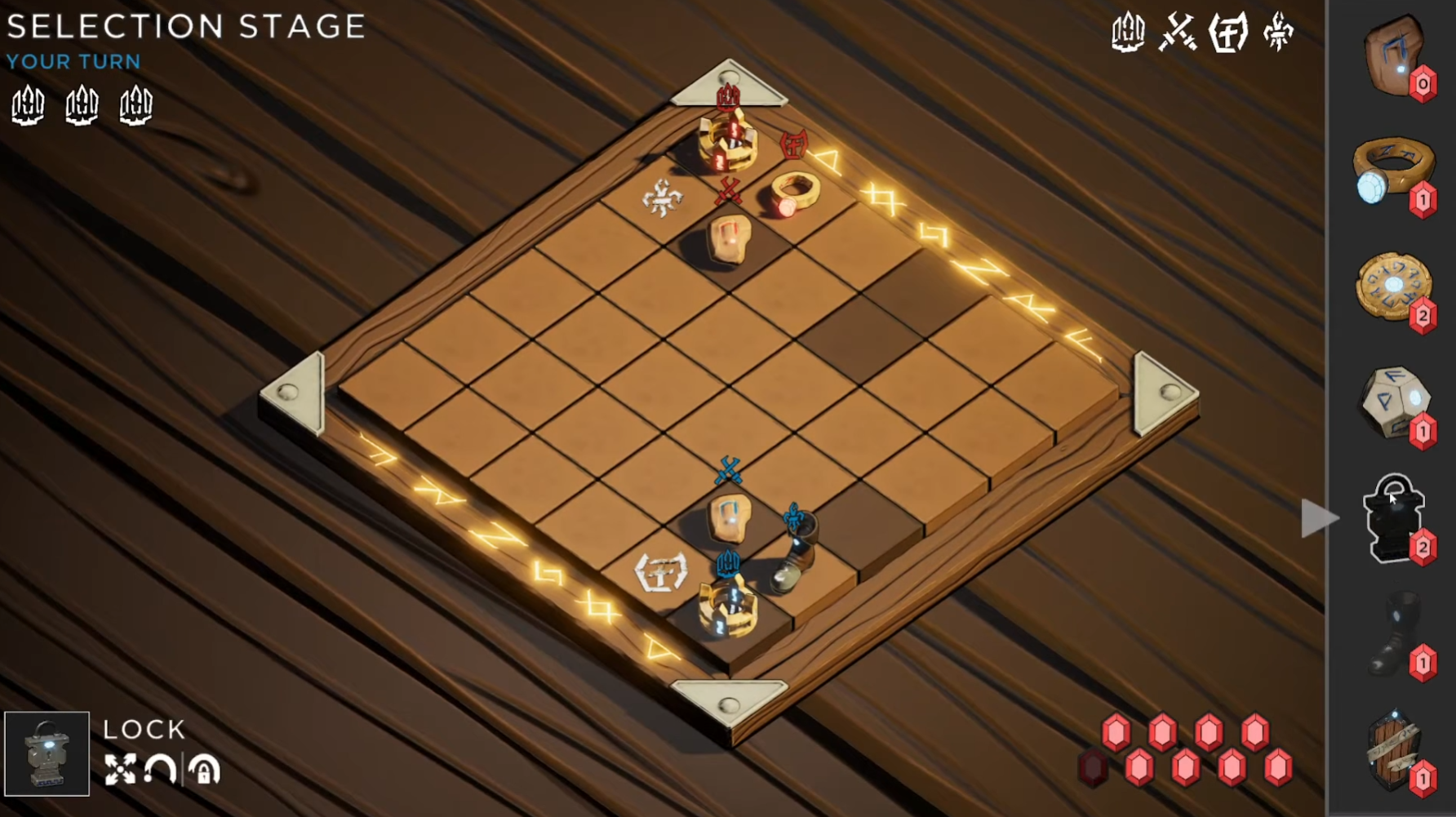
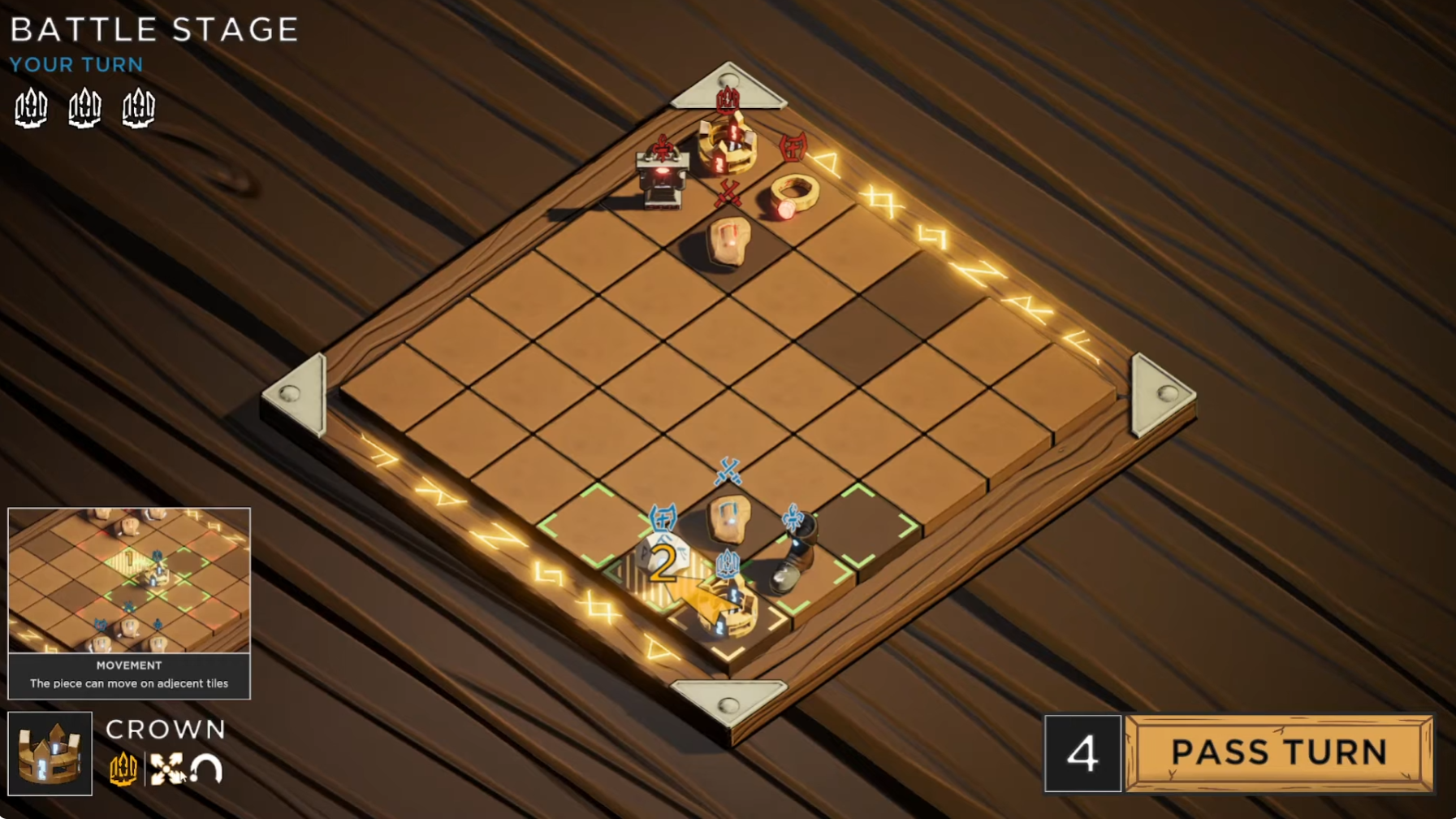
A turn-based board game with a chess-RPG hybrid ruleset, featuring an AI opponent trained from scratch using reinforcement learning and self-play — the same family of techniques behind AlphaZero, applied to a custom ruleset where no prior heuristics existed.
- Designed the gameplay mechanics and ruleset — piece abilities, turn structure and the interaction between chess-style movement and RPG systems.
- Implemented those mechanics in Unity and C#: turn flow, board state, movement and combat resolution.
- Designed and trained the self-play RL agent that drives the in-game opponent.
- Defined the observation and action representation for a non-standard, mixed-mechanic ruleset.
- Tuned the training loop until the agent was a credible opponent for human players.
- Built as a team of five over six months as the capstone for the Game Design and Development program.
Dino — agents that choose when to act
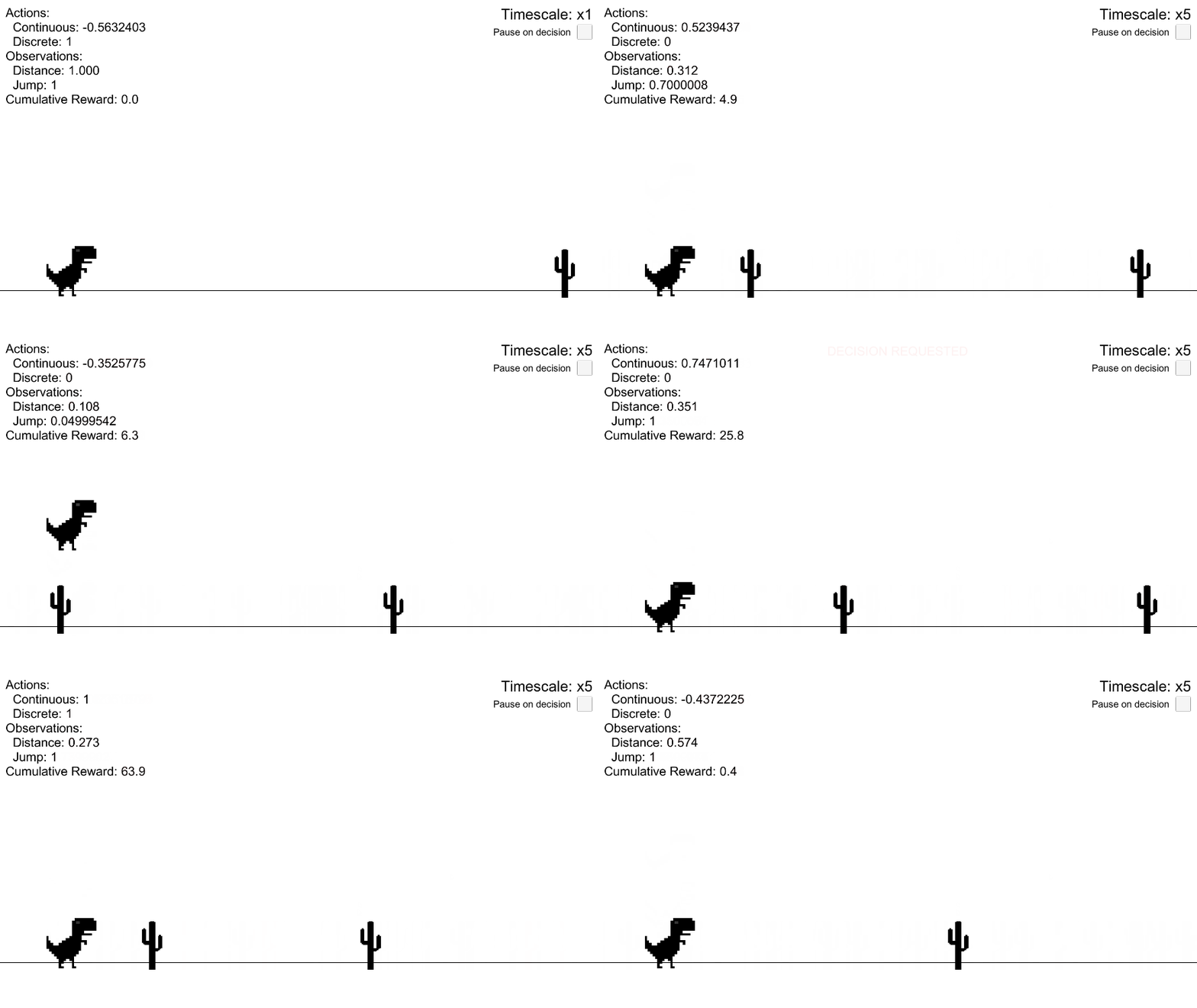
A research project tackling a fundamental inefficiency in real-time game AI: agents forced to make a decision on every single frame, whether or not anything meaningful has changed. I designed and built a custom delayed-action system that lets agents decide both what to do and when their next decision should happen — cutting inference calls and producing more deliberate, game-like behaviour in continuous-time environments.
- Designed and implemented the delayed-action decision framework on top of Unity ML-Agents.
- Benchmarked against the default per-frame decision baseline across multiple scenarios.
- Published the findings in a Medium article covering motivation, implementation and results.
ML-Agents training infrastructure & PBT tools
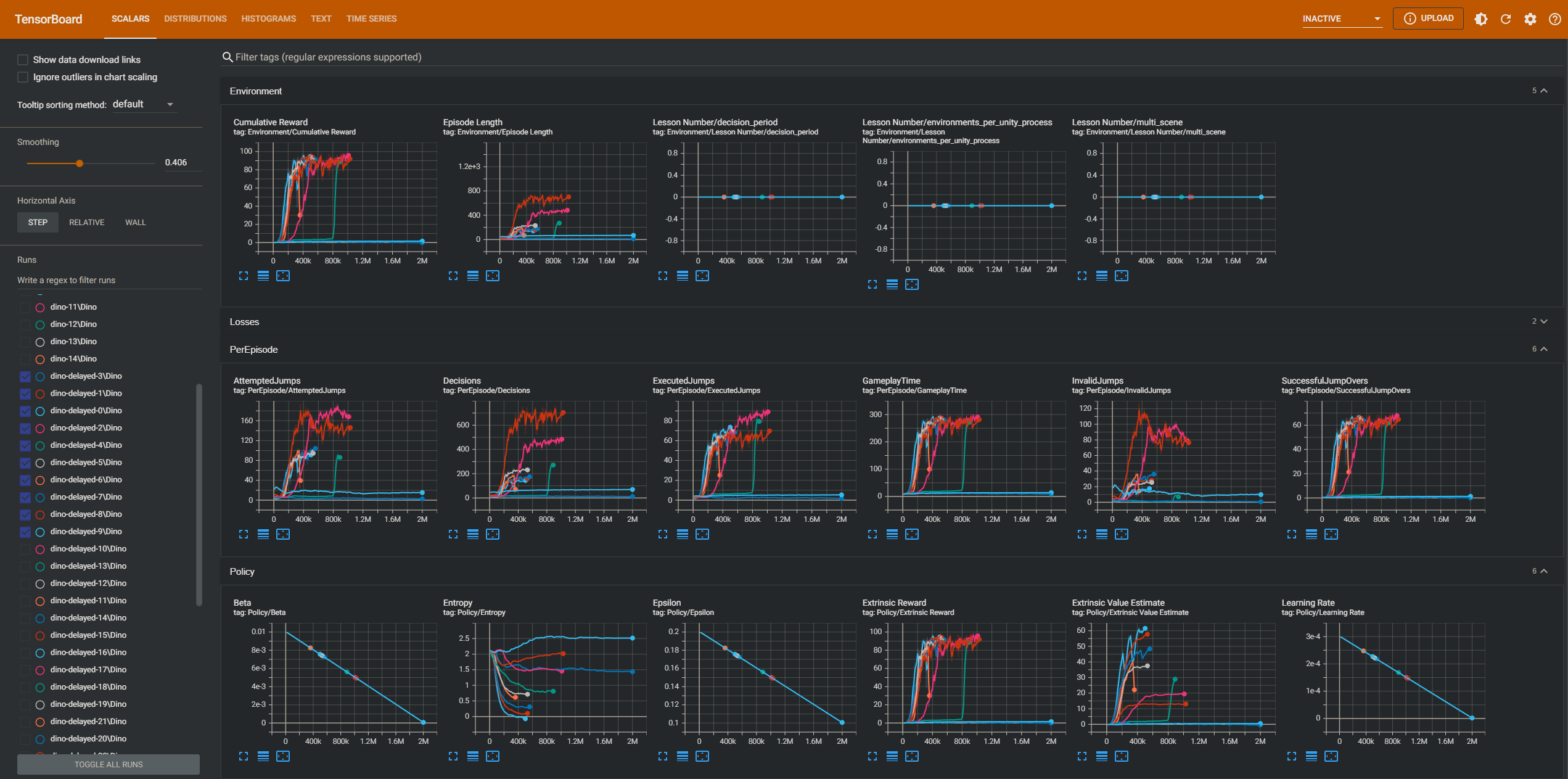
A training infrastructure layer for Unity ML-Agents built around Population Based Training — evolving hyperparameters during training rather than fixing them upfront. Beyond PBT, the tooling handles the day-to-day reality of training agents at scale: spawning parallel environments, switching the active camera between agents, controlling timescale, surfacing per-agent debug information, and pushing custom metrics to TensorBoard live during training.
- Implemented PBT-style training orchestration on top of Unity ML-Agents.
- Built multi-environment parallel training support to maximize throughput.
- Added in-engine debugging and observability for agent state, custom values and TensorBoard integration.
Doodle Jump — attention-based perception for RL agents
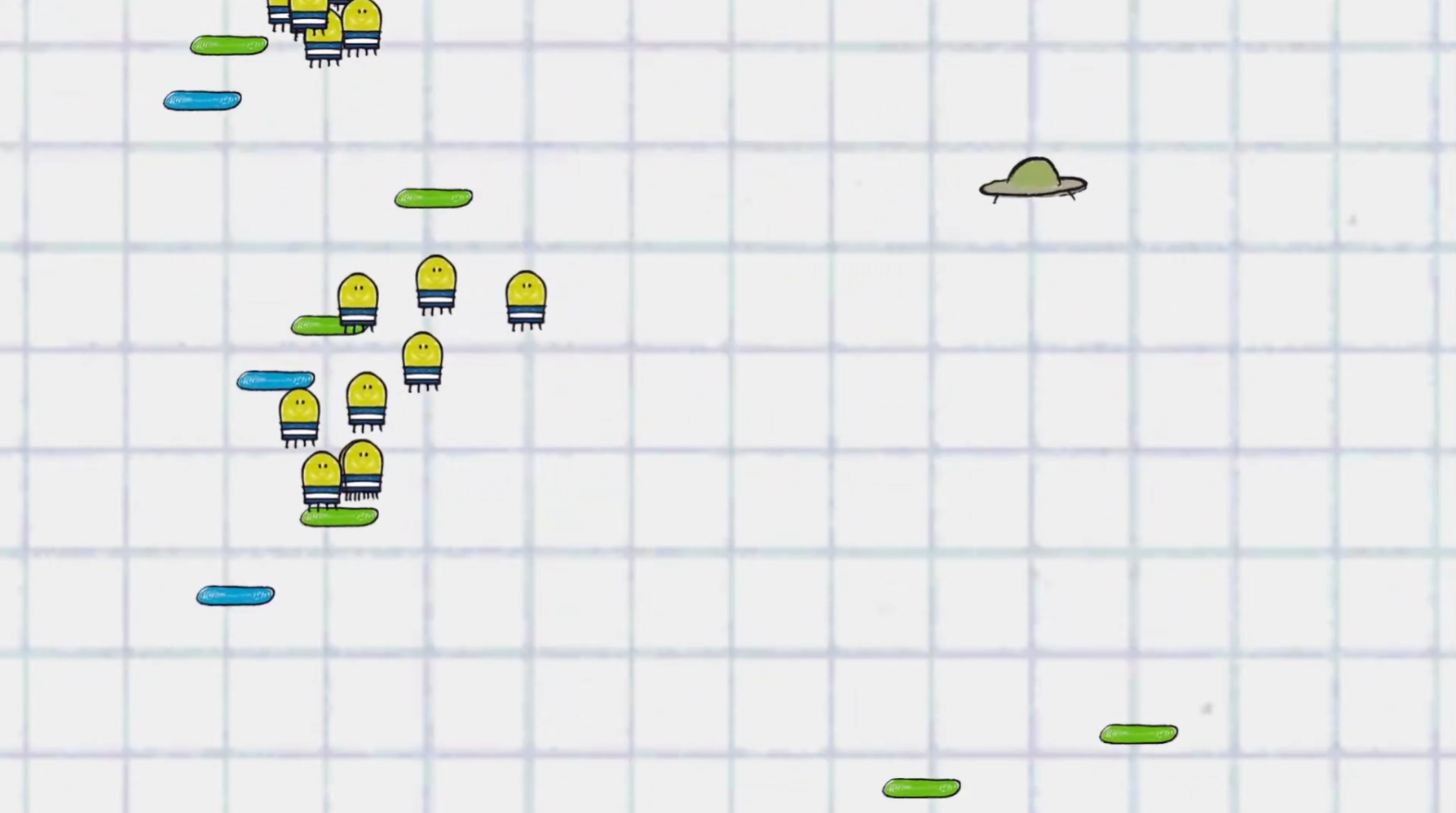
A Unity platformer built as a testbed for custom perception systems in reinforcement learning. The headline contribution: a sensor that parses surrounding game objects into a variable-length vector processed by an attention module — letting the agent reason about an arbitrary number of nearby entities instead of a fixed-size observation space. It also served as a benchmark for how different sensor and network configurations affect decision sampling speed in real-time gameplay.
- Designed and implemented the attention-based variable-length sensor.
- Compared multiple perception system designs and training algorithms on the same game.
- Benchmarked inference performance across configurations to inform real-time deployment trade-offs.
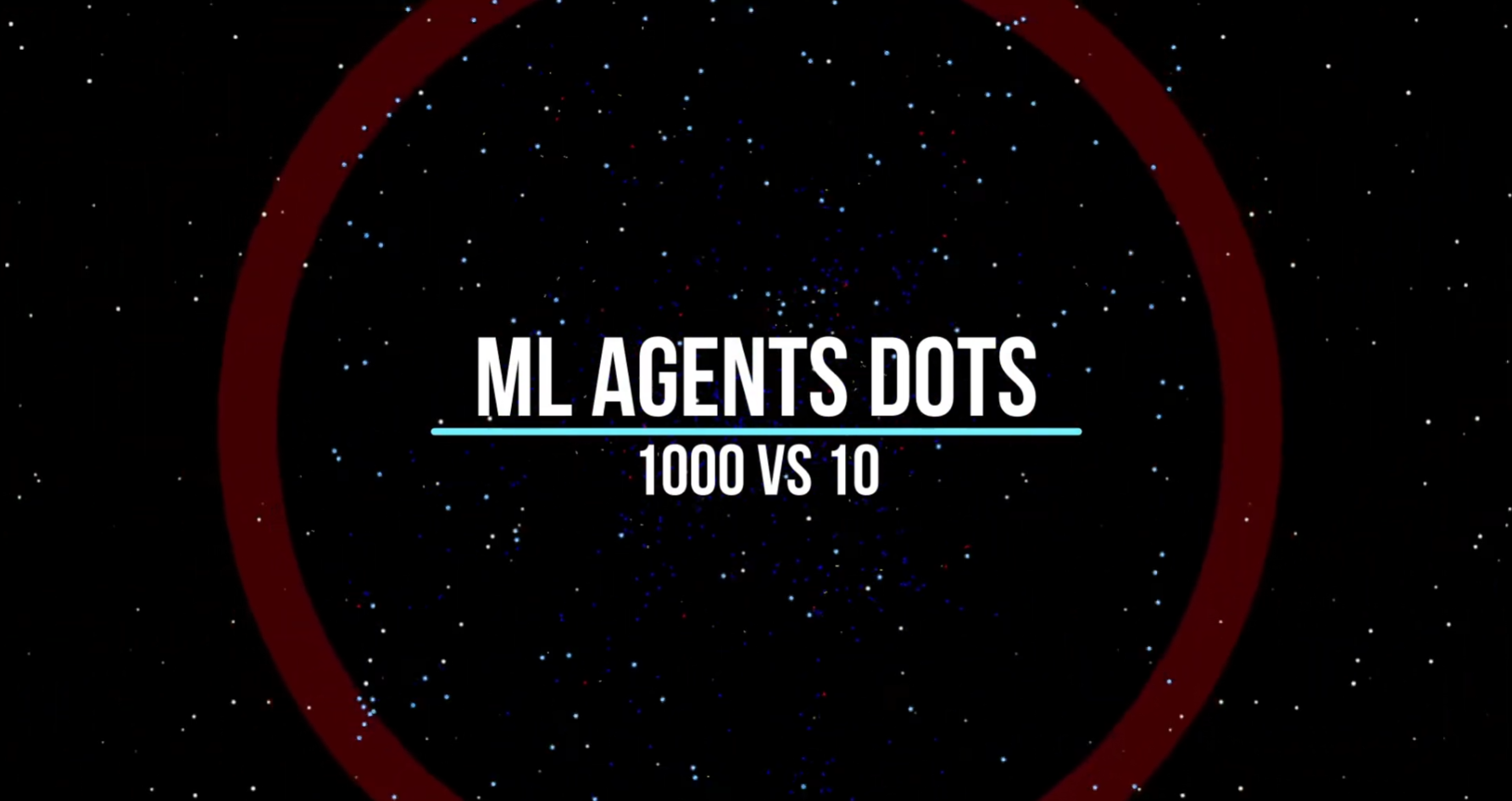
Unity DOTS ML-Agents prototype — hundreds of agents on ECS
A multi-threaded multi-agent environment built on Unity's Data-Oriented Technology Stack, using the experimental DOTS branch of ML-Agents to push per-agent AI to a scale that is normally impractical in standard Unity. Hundreds of agents compete simultaneously in a battle-royale-style arena, with two adversarial networks trained against each other to see what emergent behaviour appears. Originally a research collaboration with Enhearten Media to evaluate whether per-agent learned AI could be feasible inside an RTS game.
- Built the DOTS/ECS-based multi-agent environment from the experimental ML-Agents branch.
- Ran adversarial self-play training across hundreds of concurrent agents.
- Stress-tested the stack to identify what was actually viable for RTS-scale per-agent AI.
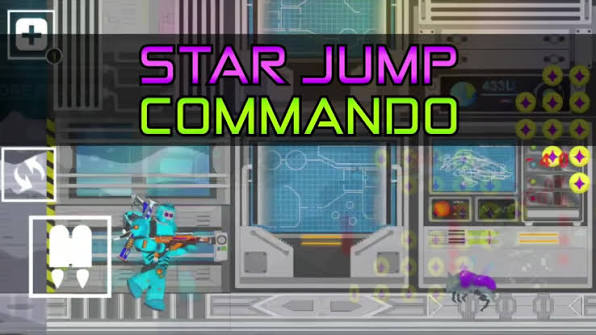
Star Jump Commando
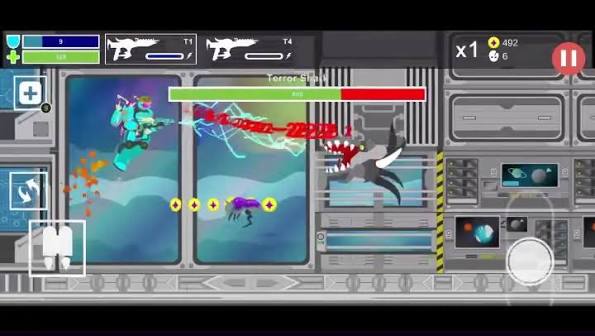
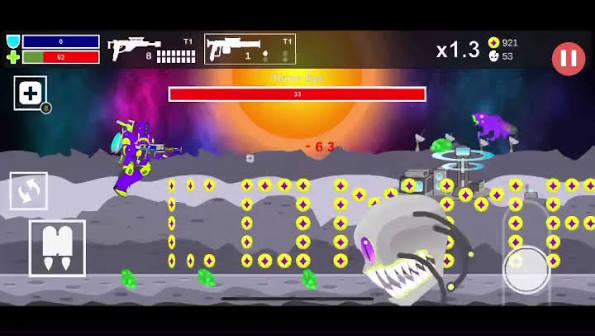
A commercial endless runner shipped on Android and iOS at Comet Studios — a polished, balanced game taken end-to-end, alongside the more research-focused projects here.
- Designed and implemented core gameplay systems: collectibles, equipment, enemies, bosses, wave generation and the difficulty scaling curve.
- Implemented cloud save and data persistence, plus monetization and in-app purchase workflows.
- Collaborated with other programmers on the overall code architecture and integrated with existing systems.
- Owned QA and balancing for game progression, tuning difficulty against playtest data.
- Worked closely with the design team in agile sprints and standups to translate creative direction into shipped features.
Experience
Gameplay / AI Developer
Feb 2023 — Aug 2024- Developed, maintained and documented modular C# codebases in Unity for interactive and generative projects.
- Optimized simulation and inference pipelines for performance, frame rate and resource use.
- Prototyped gameplay mechanics and agent behaviours with the creative and design teams.
- Built editor-facing tools that streamlined designer and artist workflows.
Game Developer / Programmer
2020 — 2022- Shipped core gameplay systems for a mobile title on iOS and Android.
- Implemented cloud save and persistence, plus monetization and IAP workflows.
- Designed modular architecture alongside senior programmers for easy feature scaling.
- Worked with design and QA on balance, low-end device performance and platform bugs.